







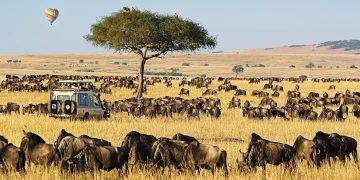







Planning a safari in Kenya can feel overwhelming, especially for first-time travelers. With so many parks, lodges, and experiences available, making the right choices is essential. However, with proper preparation, your safari can become one of the most unforgettable trips of your life.
This Kenya safari planning guide walks you through every step. From choosing destinations to budgeting and packing, it helps you create a smooth and rewarding safari experience.
Why Kenya safari planning is important
A well-planned safari ensures you maximize wildlife sightings and avoid unnecessary stress. Kenya offers a wide range of safari options, and each park provides a different experience.
In addition, proper planning helps you manage costs and choose the best time to travel.
Choose the right safari destinations


Kenya has several top safari parks to consider.
Maasai Mara National Reserve is ideal for the Great Migration and Big Five sightings.
Amboseli National Park offers stunning views of Mount Kilimanjaro and large elephant herds.
Lake Nakuru National Park is perfect for birdlife and rhino viewing.
Tsavo National Parks provide vast landscapes and fewer crowds.
Decide your safari budget


Your budget determines the type of safari you will experience.
Here is a general guide:
- Budget safari: $150 – $300 per day
- Mid-range safari: $300 – $600 per day
- Luxury safari: $600 – $1500+ per day
These costs often include accommodation, meals, transport, and guided game drives.
Pick the best time to travel


6
Timing plays a key role in Kenya safari planning.
The dry season from June to October offers the best wildlife viewing. Animals gather around water sources, making them easier to spot.
The Great Migration usually occurs between July and October in the Maasai Mara.
The green season from November to May offers lush scenery and fewer tourists.
Choose accommodation wisely


Accommodation ranges from budget camps to luxury lodges.
Tented camps provide an authentic safari feel. Luxury lodges offer comfort, privacy, and premium services.
Choose accommodation based on your budget and preferred experience.
Plan your transport


5
You can travel between parks by road or air.
Driving offers scenic views and lower costs. Flying saves time and provides aerial views of the landscape.
Most safaris include transport as part of the package.
Pack the right essentials


Packing correctly improves your safari experience.
Bring neutral-colored clothing to blend with the environment. Carry essentials such as sunscreen, a hat, and binoculars.
Also pack warm clothing for early morning game drives.
Follow safety and safari etiquette


Always follow your guide’s instructions during game drives. This ensures your safety and protects wildlife.
Avoid making loud noises or sudden movements. Respect the animals and their environment at all times.
Conclusion
Kenya safari planning is the key to an unforgettable adventure. By choosing the right parks, budgeting wisely, and preparing properly, you can enjoy a smooth and rewarding trip.
With its incredible wildlife and stunning landscapes, Kenya offers one of the best safari experiences in the world.


